

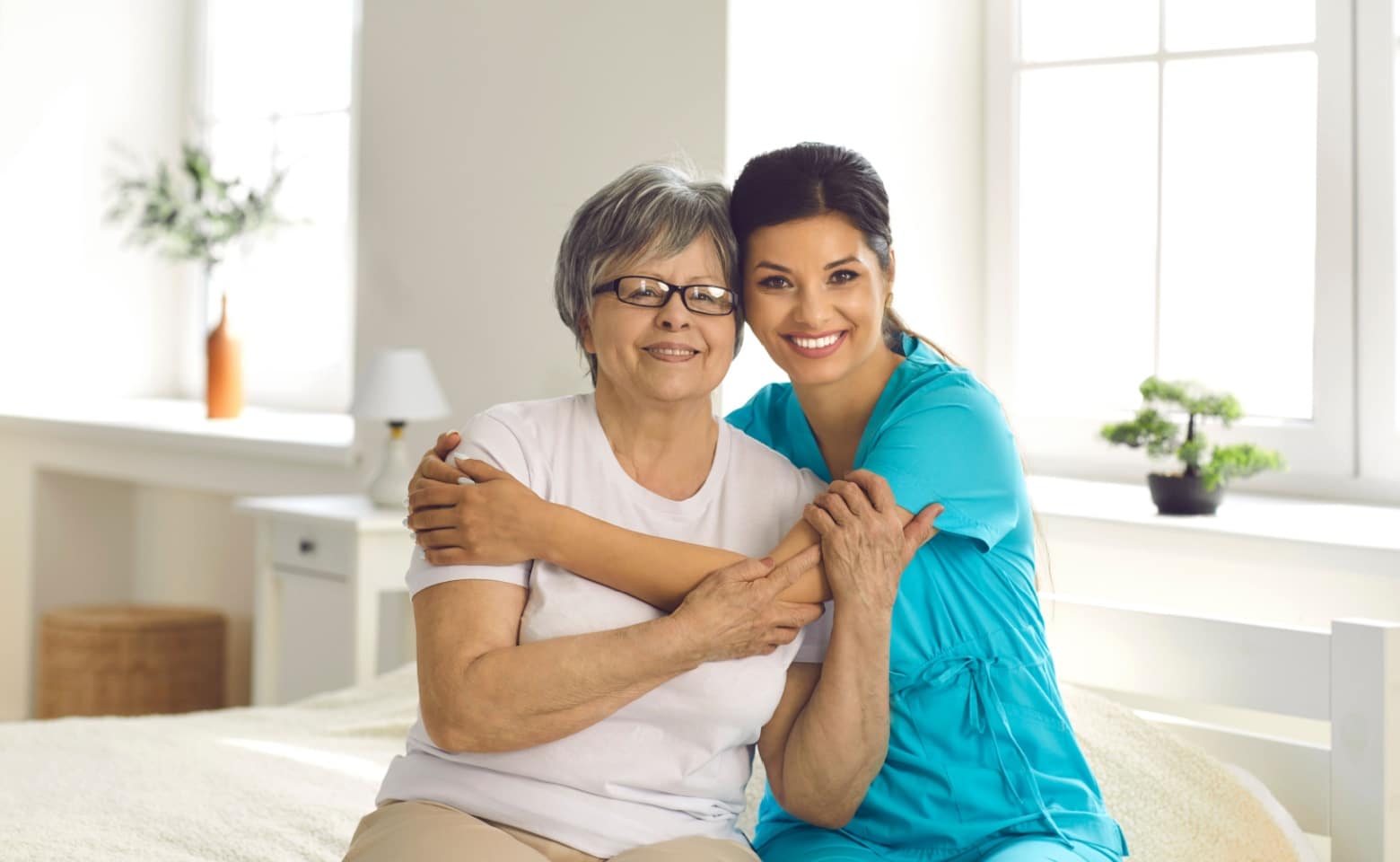
Becoming a Personal Care Aide (PCA) is a great way to start a career in healthcare—especially if you enjoy helping others and want work that feels meaningful. PCAs play an essential role in supporting individuals who need assistance with daily activities, most often in their own homes.
If you’re considering this path, here’s everything you need to know to get started.
What Does a Personal Care Aide Do?
Personal Care Aides help clients with everyday tasks that allow them to live safely and comfortably. Unlike clinical roles, PCAs focus on non-medical support and personal assistance.
Common PCA responsibilities include:
- Helping with bathing, dressing, and grooming
- Assisting with mobility and transfers
- Preparing meals and assisting with feeding
- Light housekeeping and laundry
- Providing companionship and emotional support
PCAs often work with seniors, individuals with disabilities, or people recovering from illness or injury.
Why Choose a Career as a PCA?
Many people choose to become PCAs because the role offers:
- A quick entry into healthcare
- Flexible schedules
- Consistent demand for caregivers
- One-on-one relationships with clients
- Work that makes a visible difference
For some, being a PCA is a long-term career. For others, it’s a stepping stone into roles like CNA, nursing, or other healthcare professions.
Requirements to Become a PCA
PCA requirements vary by state, but generally include the following:
Meet Basic Eligibility
Most states require PCAs to:
- Be at least 18 years old
- Have legal authorization to work
- Pass a background check
Some positions may also require a basic health screening.
Complete Training
PCAs need to complete state-approved training, which may include:
- Personal care techniques
- Safety and infection control
- Communication and client rights
- Emergency procedures
Demonstrate Competency
Unlike CNAs, PCAs often do not need to pass a formal state exam. However, employers typically assess competency through:
- Skills demonstrations
- Written or verbal assessments
- Supervised on-the-job training
The goal is to ensure you can safely and confidently provide care.
Skills That Make a Great PCA
While training teaches the basics, great PCAs also bring strong personal qualities to the role.
Important skills include:
- Patience and empathy
- Good communication
- Reliability and time management
- Attention to detail
- Respect for privacy and independence
These qualities help build trust with clients and families.
Tips for Preparing for a PCA Role
If you’re new to caregiving, these tips can help you feel more confident:
- Practice daily care tasks at home to build comfort
- Learn proper body mechanics to prevent injury
- Ask experienced caregivers for advice
- Stay organized and follow care plans closely
- Be open to learning—every client is different
Confidence grows quickly with experience.
Where Do PCAs Work?
Most PCAs work in:
- Private homes
- Home care agencies
- Assisted living settings
Home care is especially popular because it allows PCAs to focus on one client at a time and build meaningful relationships.
Is Becoming a PCA Right for You?
Becoming a Personal Care Aide is a great choice if you:
- Enjoy helping others
- Prefer hands-on, people-focused work
- Want flexibility in your schedule
- Are interested in healthcare but don’t want long schooling
It’s a role rooted in compassion, responsibility, and trust.
Making your career decision
Learning how to become a PCA is the first step toward a career that truly matters. With the right training, preparation, and mindset, you can make a meaningful impact in someone’s daily life—often when they need it most.
Whether you’re starting your healthcare journey or looking for a fulfilling career change, becoming a Personal Care Aide can open the door to both purpose and opportunity.
Looking for PCA jobs?
White Glove Community Care offers the best opportunities in New York, New Jersey, and Florida! Contact us today to get started!