
Parkinson’s disease is a progressive neurodegenerative disorder that affects movement and coordination. It occurs when nerve cells in the brain that produce dopamine, a chemical essential for smooth movement, become damaged or die. White Glove Community Care supports individuals with Parkinson’s by providing homecare services that promote independence and ease daily life. This guide aims to provide an overview of Parkinson’s disease, including its symptoms, stages, causes, diagnosis, and treatment options.
Parkinson’s Symptoms
The symptoms of Parkinson’s disease can vary significantly from person to person. They typically develop gradually and can be categorized as early or later symptoms.
Early Symptoms of Parkin’s Disease
Parkinson’s Tremors: Shaking, especially in hands, arms, legs, and face.
Depression: Feelings of sadness or despair.
Irritability: Increased mood swings and frustration.
Soft Speech: Unusually quiet voice.
Feeling Shaky: General feelings of instability.
Symptoms as the Disease Progresses
Balance Issues: Difficulty maintaining stability.
Blood Pressure Changes: Variability in blood pressure levels.
Motor Skill Declines: Challenges with movement and coordination.
Posture Changes: A stooped or hunched posture may develop.
Difficulties with Digestion: Including issues with bowel movements.
Emotional symtoms: Symptoms like depression, moodswings and the pseudobulbar affect
Later Symptoms
Akinesia: Difficulty beginning or sustaining movements.
Bradykinesia: Slowness of movement.
Muscle Rigidity: Stiffness in the arms, legs, and trunk.
Fatigue and Weakness: Lack of energy for daily tasks.
Severe Speech Difficulties: Trouble speaking, chewing, or swallowing.
Stages in Parkinson’s Disease
What are the 5 stages of Parkinson’s disease? Parkinson’s disease is typically categorized into five stages, reflecting its progression.
Parkinson’s disease stages:
Stage 1: Mild symptoms that do not hinder daily activities, affecting one side of the body.
Stage 2: Symptoms involve both sides, impacting daily life but still allowing some independence.
Stage 3: Noticeable loss of balance and movement slowness; independent living may become challenging.
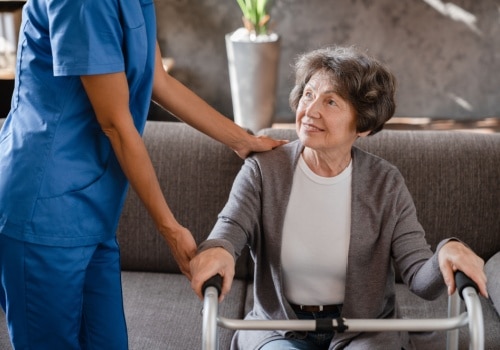
Stage 4: Severe symptoms necessitate assistance with daily tasks; a walker is often required for mobility.
Stage 5: Advanced symptoms may include severe mobility restrictions requiring full-time nursing care.
What causes Parkinson’s?
The exact cause of Parkinson’s disease remains unclear. However, it is associated with the loss of dopamine-producing neurons in the brain.
Several factors may contribute, including:
Age: Most individuals with Parkinson’s develop symptoms after age 50.
Family History: Genetics may play a role in some cases.
Exposure to Toxins: Certain environmental factors might increase risk.
Is Parkinson’s an autoimmune disease?
No, Parkinson’s disease is not classified as an autoimmune disease. It is primarily a neurodegenerative disorder that results from the loss of dopamine-producing neurons in the brain. In autoimmune diseases, the immune system mistakenly attacks the body’s cells, whereas Parkinson’s involves the degeneration of specific nerve cells without an autoimmune component. The exact cause of Parkinson’s is still unclear, but factors such as genetics, environmental exposures, and age play a significant role.
Can Parkinson’s disease be prevented?
Currently, no known methods can prevent Parkinson’s disease. However, a healthy lifestyle, including regular exercise, a balanced diet, and avoiding exposure to toxins, may help reduce risk factors.
Parkinson’s diagnosis criteria
Diagnosis often involves a neurological examination and assessment of medical history. While there is no definitive test for Parkinson’s disease, doctors may use specific criteria, including the Unified Parkinson Disease Rating Scale (UPDRS), to evaluate symptoms and progression.
Parkinson’s new treatment, help and medication
While there’s no cure, treatments can help manage symptoms.
Medications: Such as levodopa and dopamine agonists to increase dopamine levels or mimic its effects.
Physical Therapy: Parkinson’s exercises through physical therapy can help improve mobility, balance, and overall physical function.
Speech Therapy: To address communication challenges.
Surgery: Deep brain stimulation, a new Parkinson’s treatment, may be an option for certain patients.
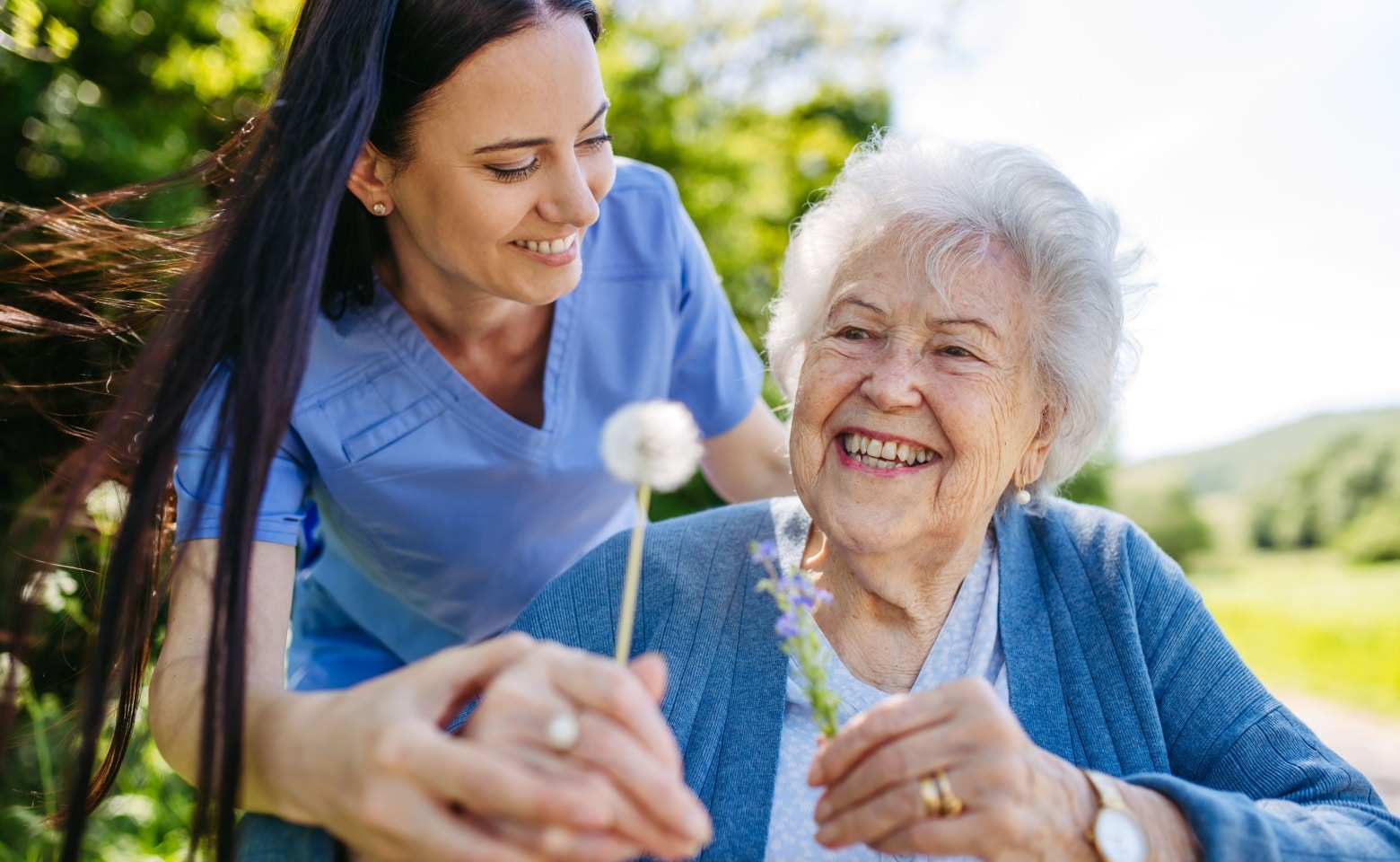
Homecare services: A home health aide significantly enhances the quality of life for individuals with Parkinson’s, promoting independence despite the condition.
Alternative treatments for Parkinson’s
A healthy diet, regular exercise, massage therapy, and meditation may improve the symptoms, help alleviate pain, and enhance relaxation. Always check with a healthcare professional before trying new treatments.
Does Parkinson’s disease cause dementia?
Cognitive decline may occur, especially in advanced stages of the disease.
Parkinson’s and depression
Depression is common among those diagnosed with Parkinson’s disease due to low dopamine levels.
Prognosis and Life Expectancy
How long do you live with Parkinson’s disease? The progression of Parkinson’s disease varies by individual. It can last for years to decades, with some people remaining relatively functional for many years. Life expectancy may be reduced, especially with complications, but many individuals lead fulfilling lives.
Wrapping it up
Living with Parkinson’s disease can be very challenging, but understanding the disease, its symptoms, and treatment options early on can help individuals manage the disease effectively. If you or someone you know may exhibit symptoms, consult a healthcare professional for evaluation and tailored support.
In need of better homecare services?
White Glove’s dedicated caregivers greatly enhance life quality, providing support with excellence and respect to help individuals lead their best lives possible. To get started, please complete this form and a team member will contact you as soon as possible.